


Description
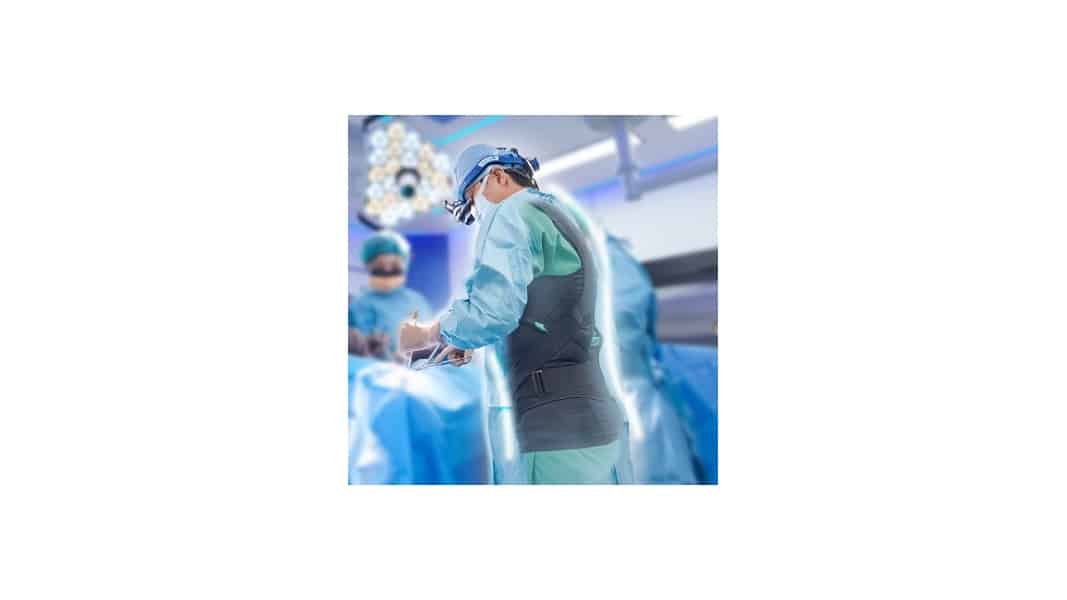
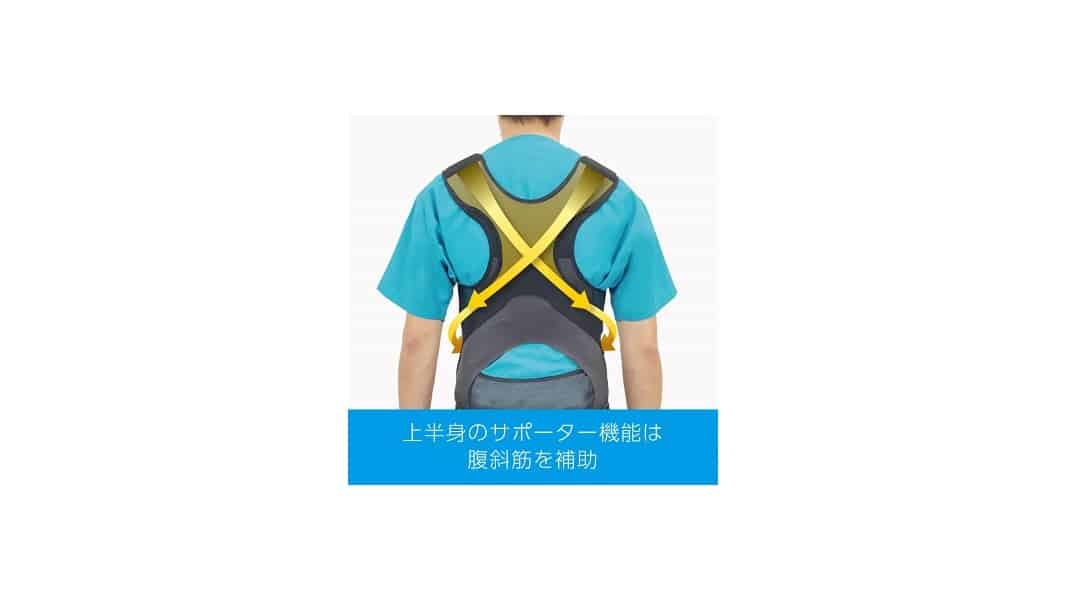
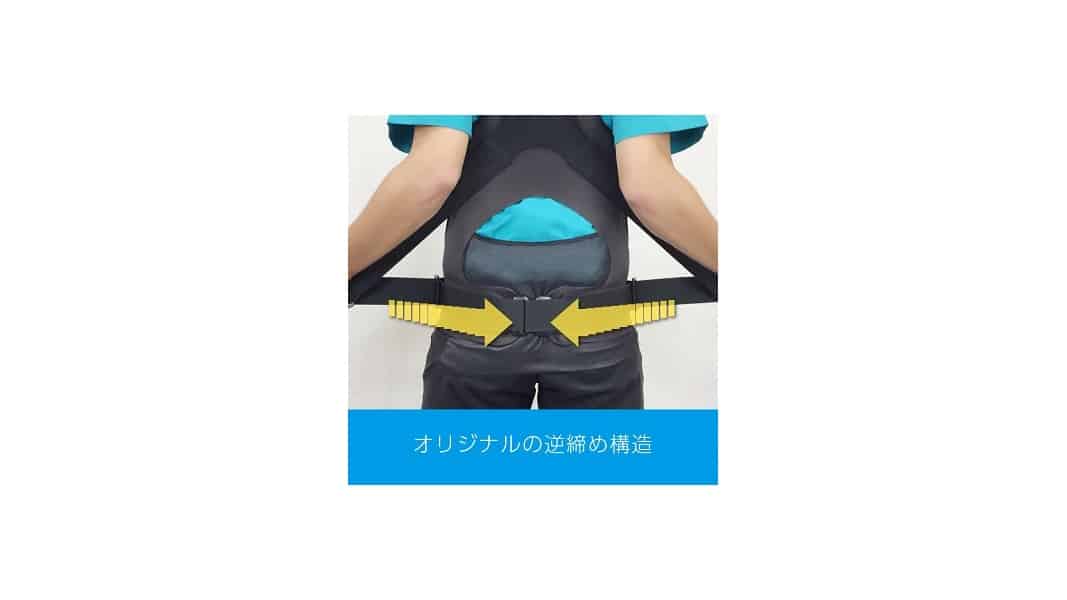
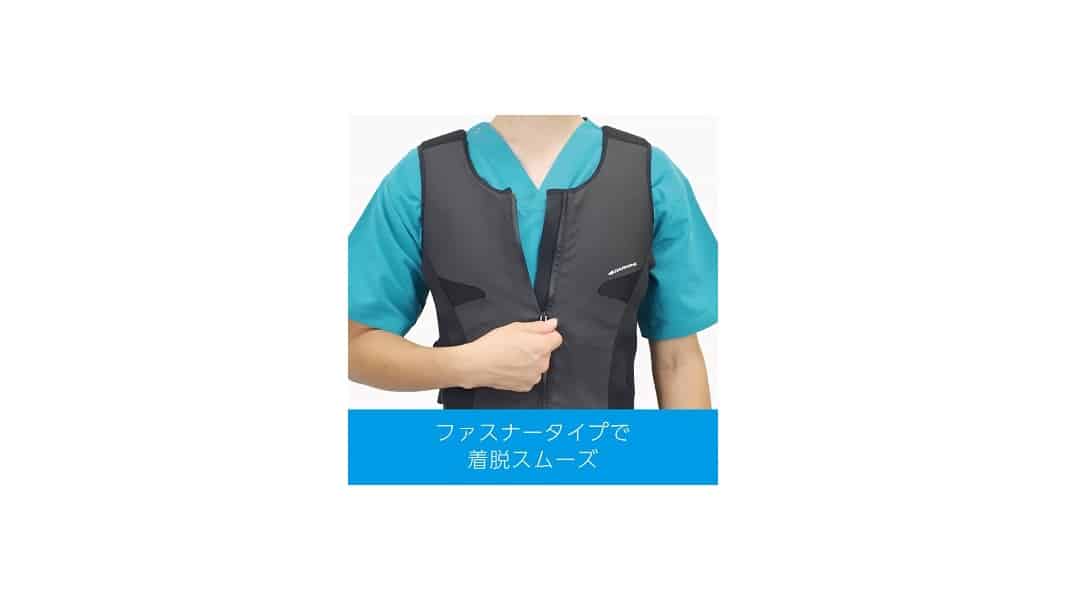
The intended use is sustained-posture support for the clinician performing precision work, not patient rehabilitation.
Fit and sizing
| Size | Height | Chest circumference | Waist circumference | Iliac circumference |
|---|---|---|---|---|
| S | 150–165 cm (59.1–65.0 in) | 75–83 cm (29.5–32.7 in) | 65–80 cm (25.6–31.5 in) | 70–80 cm (27.6–31.5 in) |
| M | 160–175 cm (63.0–68.9 in) | 81–94 cm (31.9–37.0 in) | 78–95 cm (30.7–37.4 in) | 75–90 cm (29.5–35.4 in) |
| L | 170–185 cm (66.9–72.8 in) | 92–105 cm (36.2–41.3 in) | 88–108 cm (34.6–42.5 in) | 85–100 cm (33.5–39.4 in) |
| XL | 180–195 cm (70.9–76.8 in) | 103–117 cm (40.6–46.1 in) | 100–120 cm (39.4–47.2 in) | 95–110 cm (37.4–43.3 in) |
Manufacturer references
Daiya Industry Co. Ltd., see company profile.
Note: In 2026, it is not uncommon to find occupational exoskeletons/exosuits to help surgeons maintain uncomfortable body positions for hours, reducing their fatigue and therefore allowing them to focus on their patients rather than physical discomfort.
Exoskeleton Report does not endorse one exoskeleton product over another. The exoskeleton catalog is purely for educational purposes. The catalog is meant to provide an easily accessible birds-eye view of the exoskeleton industry and a quick method to sort exoskeletons by type and purpose. All prices are approximate and are meant to provide a general sense of the cost of the devices.


Reviews
There are no reviews yet.